

Fear and Loathing in the Cannabis Industry: Trump, Schedule III, and the Illusion of Progress
“There is no honest way to explain this without admitting that the truth is ugly.”
Donald Trump is getting credit for cannabis reform.
That sentence alone should tell you how badly this conversation has gone off the rails.
Yes, Trump signed an Executive Order. Yes, it encourages federal agencies to complete the process of rescheduling cannabis from Schedule I to Schedule III. And yes, it allows the White House to stand at the podium and declare progress…
…after the Biden administration’s 2022 directive to the Secretary of Health and Human Services and the U.S. Attorney General to initiate an administrative review of Cannabis scheduling under the Controlled Substances Act. That process moved forward, then stalled. By January 2025, the rule making process slowed long enough for Trump to step in, revive it, and claim the headline.
It’s a classic move: kill the engine, restart it yourself, then take the victory lap.
If Nixon was the architect of the drug war, Trump is playing the sequel: symbolic retreat, maximum branding, minimum structural change.
Forgive me if I don’t clap.
What This Executive Order Actually Does (And Why It’s Being Oversold)
Strip away the rhetoric and the social media cheering, and the substance is narrow.
The Executive Order expands and streamlines federally sanctioned medical cannabis and cannabidiol research. It lowers some administrative barriers associated with Schedule I and formally acknowledges potential medical utility for research purposes through an ongoing federal administrative rescheduling process.
That’s it. That’s the substance.
It does not legalize cannabis.
It does not deschedule cannabis.
It does not create a federal commercial market.
It does not shield state operators or laboratories from federal enforcement.
This is not reform. It’s recalibration, carefully engineered to look bold without dismantling the machinery of prohibition.
Political theater, carefully staged, and dressed in a lab coat.
The Cannabis Industry’s Willingness to Accept Crumbs
What’s harder to watch than the Executive Order itself is how much of the cannabis industry is willing to accept this as a win.
Cheering Schedule III as if it’s a breakthrough. Calling it a momentum. Treating it like progress instead of what it really is: a delayed half-step that arrives after Democrats had the White House, the Senate, and a chance to do something real…
… AND DIDN’T!
They blew it!
And now, Trump gets the headline.
Suddenly the same people who demanded decriminalization, banking reform, and the end to cannabis prohibition are congratulating the system for allowing research under tighter federal control.
Is it progress??
Nope!
Then “what is it” you ask:
It’s exhaustion masquerading as optimism; fatigue dressed up as hope.
The Senate is the Graveyard (Just Ask The Hemp Industry)
Anyone who thinks Schedule III is the end of the story cleanly hasn’t been paying attention.
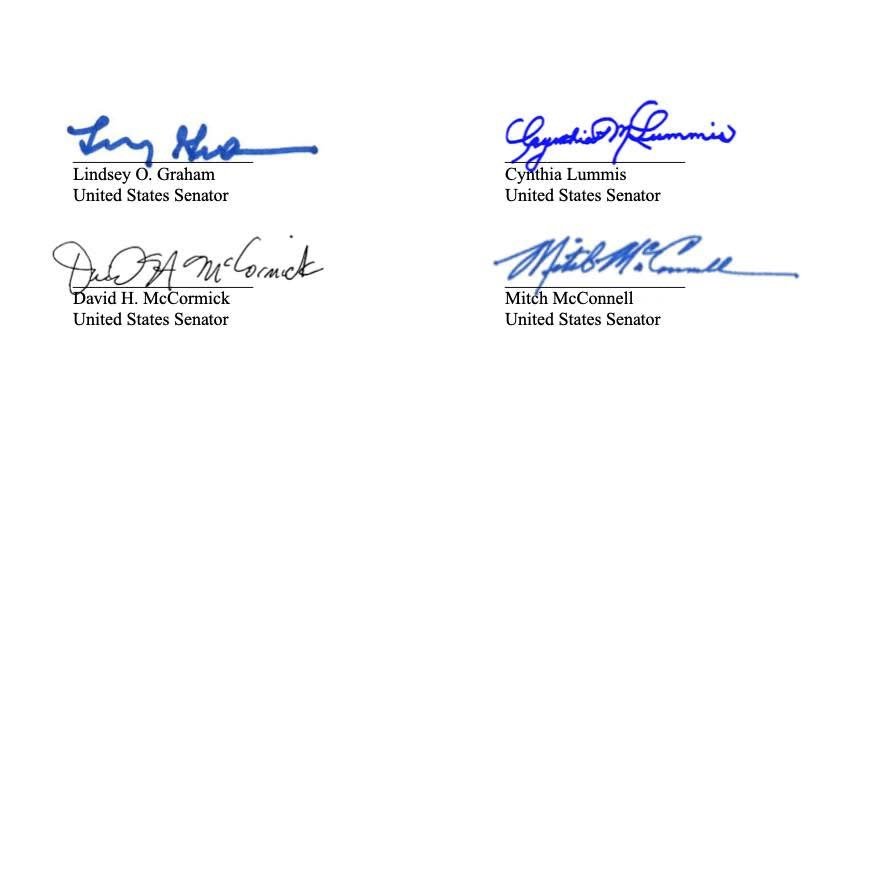
Mitch McConnell already showed everyone how this goes when he turned around and helped gut hemp (the very industry he helped create through the 2018 Farm Bill) to appease the alcohol lobby.
That was neither an accident nor hypocrisy. It was a reminder!
A reminder that cannabis reform doesn’t die because of science. It dies because of power, money, and incumbents who don’t like competition.
Schedule III doesn’t completely bypass the Senate. It doesn’t neutralize entrenched interests. And it certainly doesn’t protect cannabis from being reshaped (read: strangled) when it becomes politically inconvenient.
But wait: won’t the Senate majority back Trump?
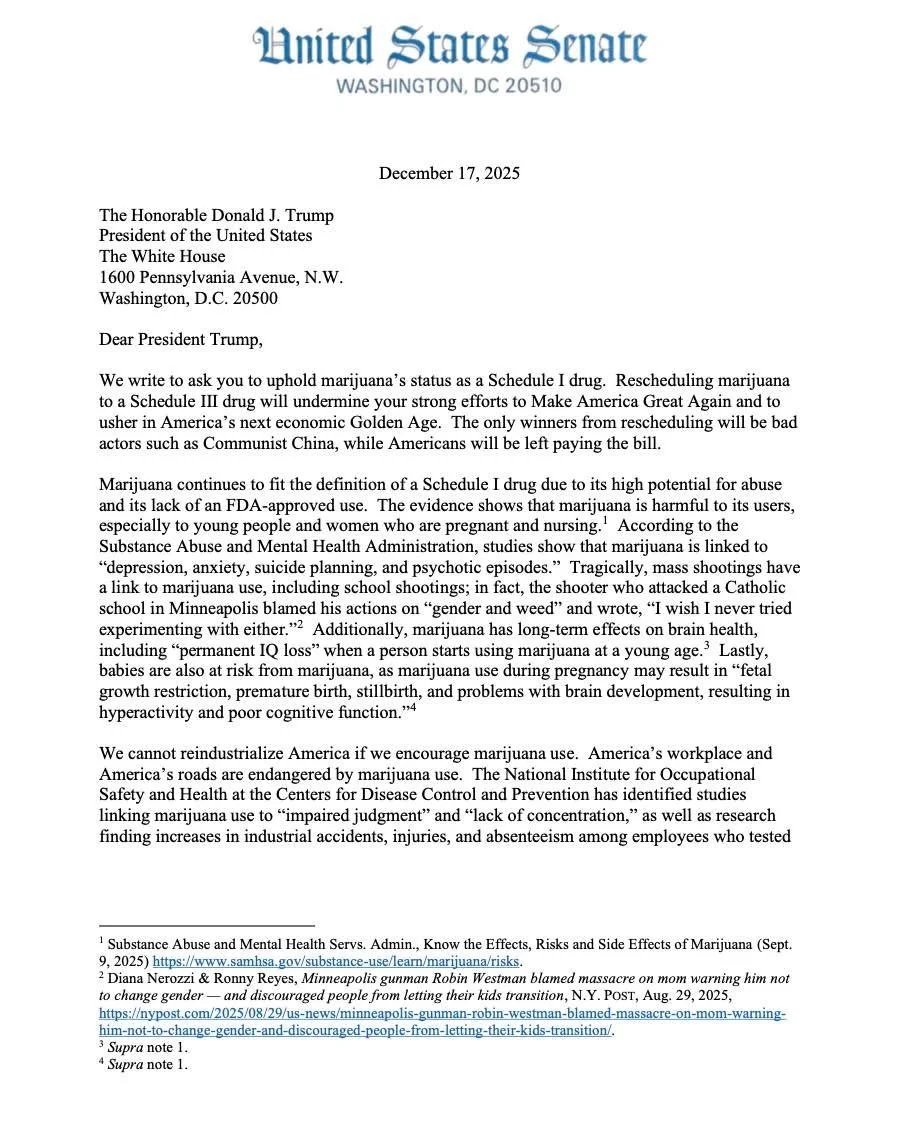
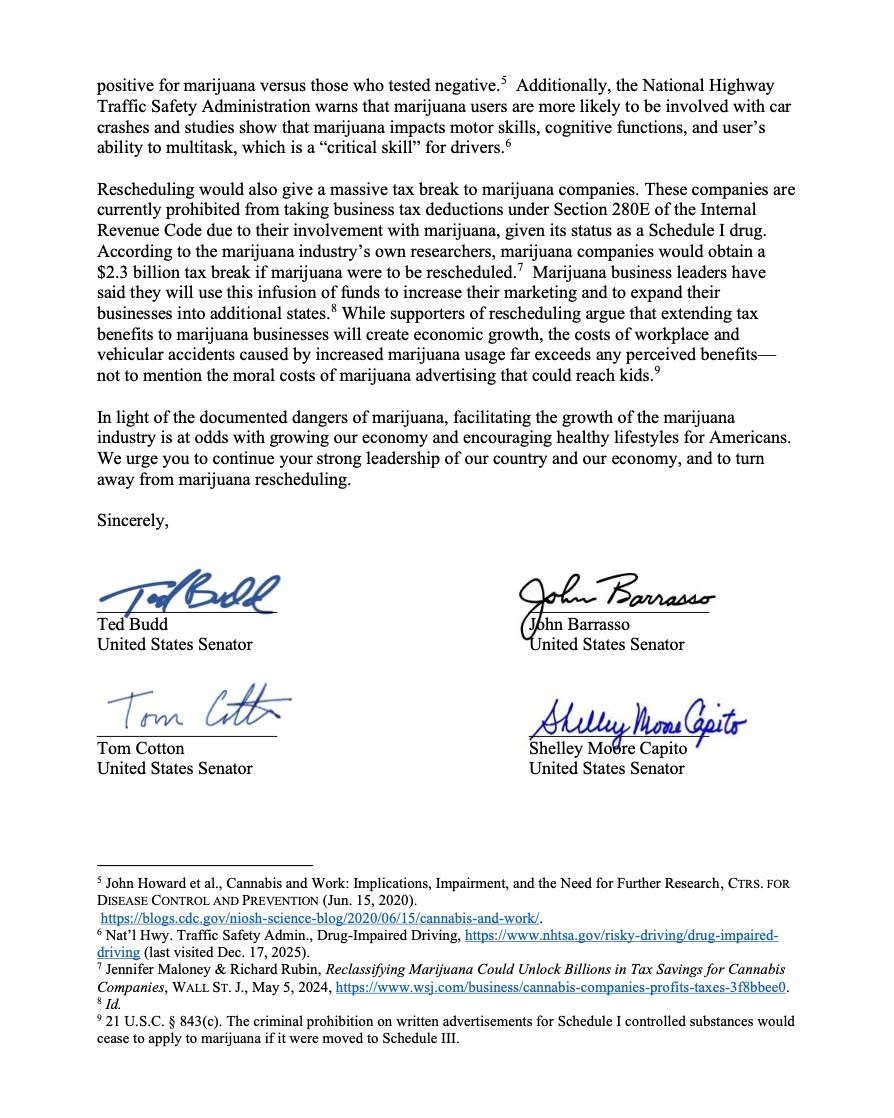
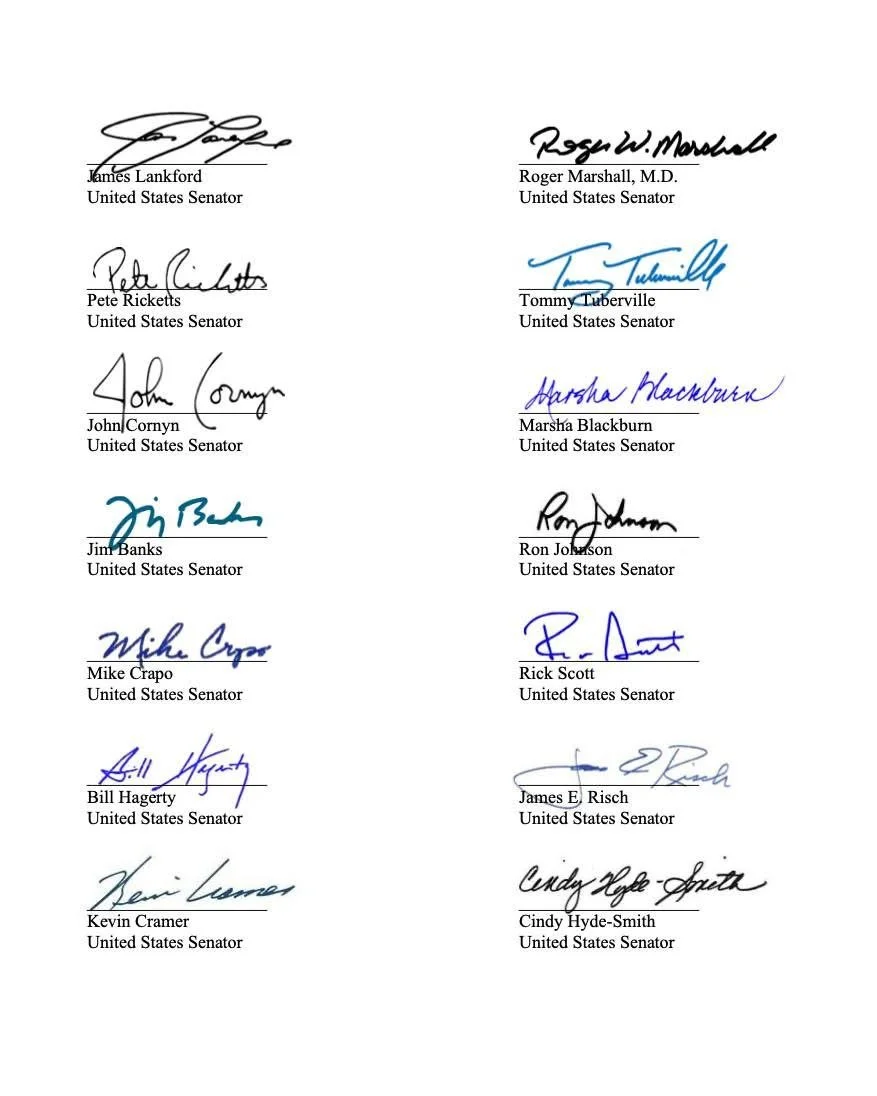
Not necessarily. 22 US Senators (including McConnell) have already sent President Trump a letter warning that rescheduling cannabis poses serious health and economic threats to the nation because cannabis has a “high potential for abuse and its lack of an FDA-approved use.”
Sounds like the broken record is still spinning.
Where the Real Risk Is Moving: Federal Scrutiny
Here’s the part almost no one wants to talk about.
Schedule III isn’t a green light.
It’s a spotlight.
Once cannabis is formally recognized as having medical utility, federal agencies get interested in the data. And when federal agencies get interested, the rules change quietly and decisively.
Federal scrutiny is fundamentally different from state oversight.
That means expectations around:
Data integrity that survives reconstruction
Method validation that’s truly “fit-for-purpose”
Documentation narratives that don’t collapse under follow-up questions
Training records that match responsibility, not job titles
Clear separation between research, testing, and commercial interests
Most cannabis labs and businesses today are built to pass state inspections, not necessarily to withstand federal scrutiny. Those are different games with different referees (with few exceptions) and much different consequences.
A Warning for Labs and Operators
Word of advice here: If you want to play on a national stage, you don’t get to keep acting like a state-only operator.
ISO accreditation alone won’t save you.
Passing yesterday’s audit won’t protect you tomorrow.
And recycled SOPs won’t hold up when the questions get sharper.
Schedule III Doesn’t Normalize Cannabis… It Raises the Bar
This is the uncomfortable truth:
Schedule III doesn’t make cannabis safer for the industry.
It makes excuses harder.
This Executive Order didn’t end the war on cannabis. It simply changed the optics.
Labs and operators who assume this is a victory lap are going to get caught flat-footed when expectations tighten. The ones who quietly start aligning their systems now (before anyone forces the issue) are the ones who survive what comes next.
Federal involvement doesn’t arrive with sirens.
It arrives with questions.
And by the time those questions are being asked, it’s already too late to pretend you didn’t see this coming.
Trump may get the credit.
The industry still gets the consequences.
And that’s when the illusion of progress stops being comforting.
